
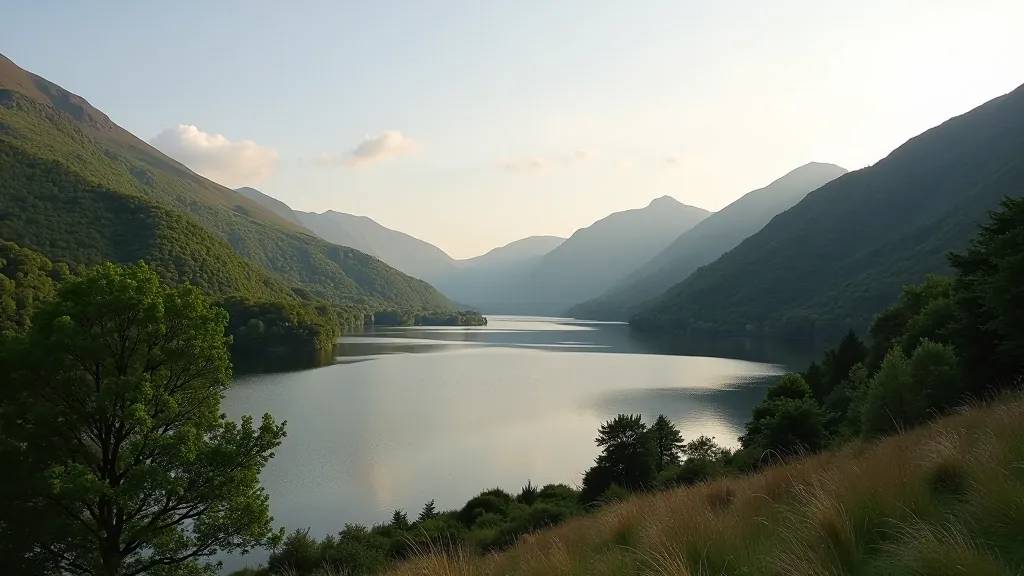
Muckross Lake Loop — Killarney's Easiest Walk
A gentle 4.5km loop around pristine water with mountain views. Mostly flat, well-maintained, and perfect for building confidence.
Everything you need to know about planning, pacing, and enjoying outdoor walking. From choosing the right shoes to managing breaks, rest strategies, and building confidence on the trail.
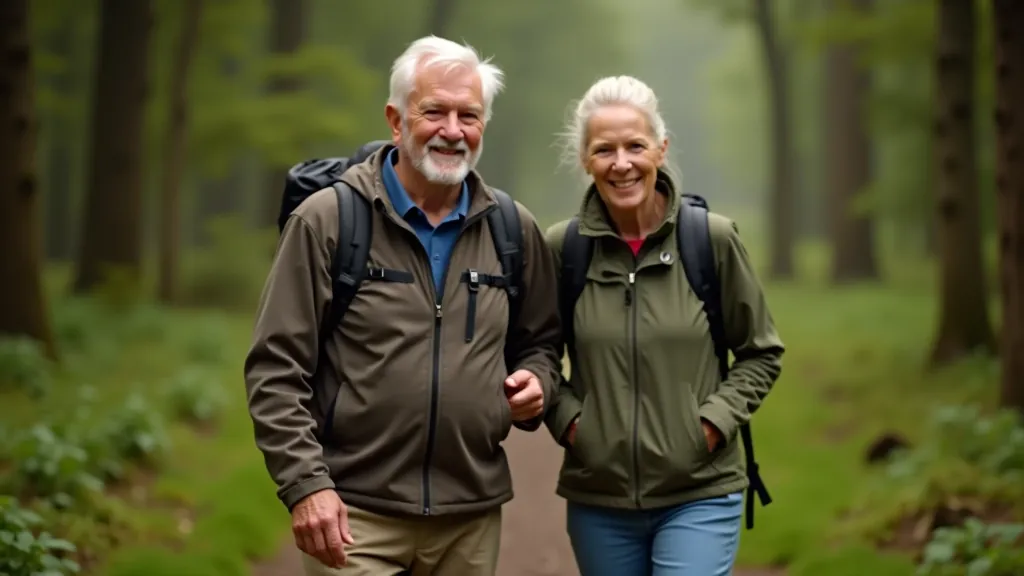

Walking outdoors isn't just about exercise. It's about staying independent, maintaining strength, and enjoying some of Ireland's most stunning scenery. The good news? You don't need to be a hardcore trekker to do this well.
The key difference between a miserable hike and a great one comes down to planning. We're talking about choosing realistic routes, pacing yourself properly, and knowing when to take breaks. It's the difference between hobbling home sore and genuinely enjoying the outdoors.
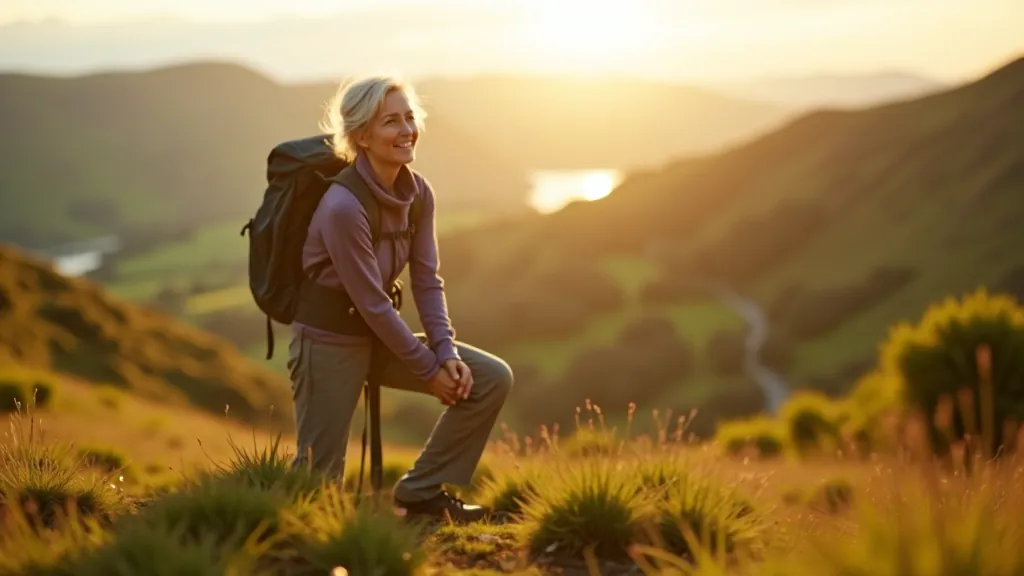
Most people walk at about 3 miles per hour on flat ground. But that's for younger walkers on good days. You're not them, and that's fine.
Here's what actually works: aim for 2 to 2.5 miles per hour on moderate terrain. That means a 5-kilometer route takes roughly 2 hours. This pace lets you chat with someone without getting breathless. You'll notice the details — wildflowers, bird calls, the way light filters through the trees.
Plan for 3 hours total time out. 2 hours of actual walking. 1 hour for rest breaks, photos, and just sitting down. This takes pressure off and makes it realistic.
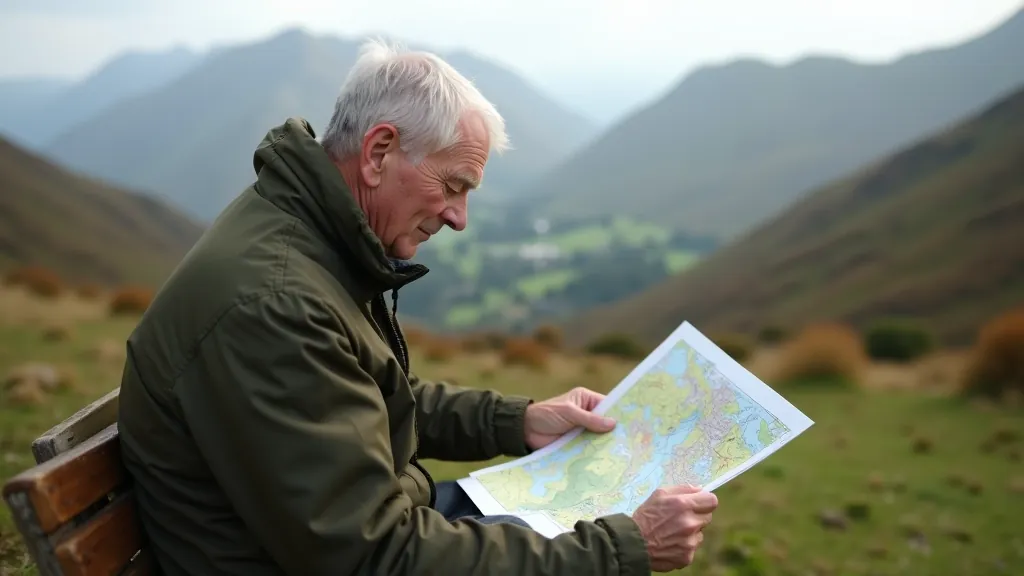
This is where most people get it wrong. They push through until they're exhausted, then crash. Don't do that.
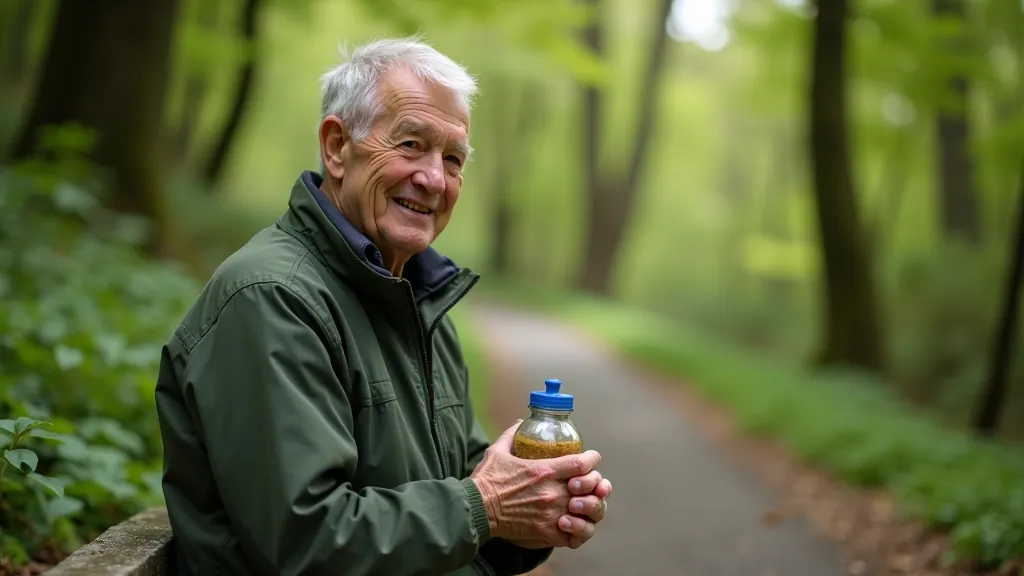
Take a proper break every 45 minutes to an hour. Find somewhere to sit — a bench, a rock, even a log works. Spend 10-15 minutes sitting down. Have water. Have a snack. Let your knees rest. This isn't wasted time. This is the hike working the way it's supposed to.
This guide is for informational and educational purposes. Every person's physical condition is different. Before starting any new hiking routine, especially if you have existing health conditions, joint issues, or take medications that affect balance or stamina, consult with your doctor or healthcare provider. They know your individual circumstances best. This content isn't medical advice — it's general information based on common hiking practices.
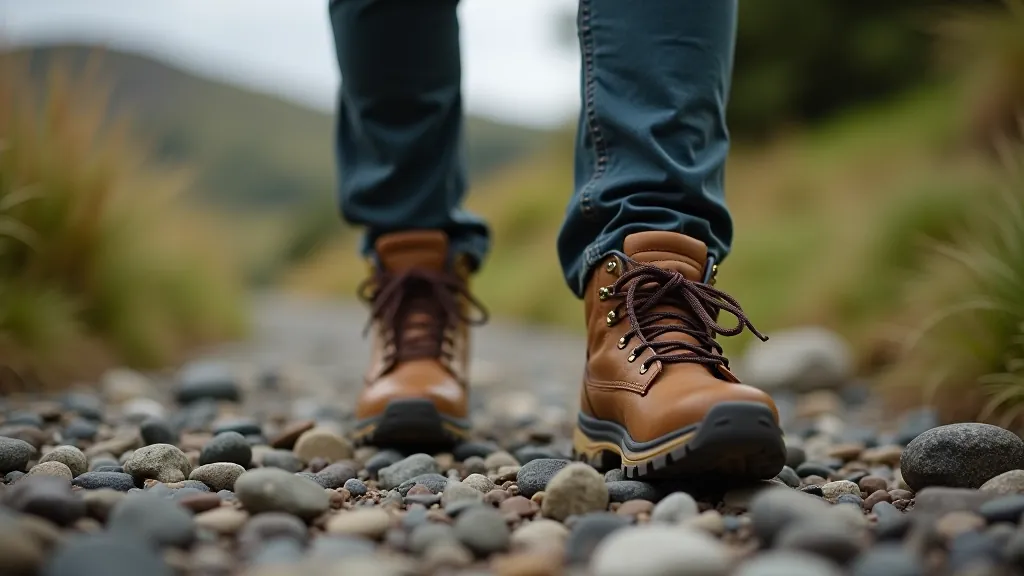
Don't use your everyday trainers. They don't have the ankle support you need, and your feet will pay for it.
Hiking boots or trail shoes should have: proper ankle support, thick cushioned soles, and good grip on wet ground. You're looking for something that won't leave you with blisters or sore arches after 5 kilometers. Most outdoor shops will let you try them on and walk around — do this.
Buy them at least 2 weeks before your hike and wear them around the house and on short walks. Your feet need to adjust. This small step prevents so much pain.
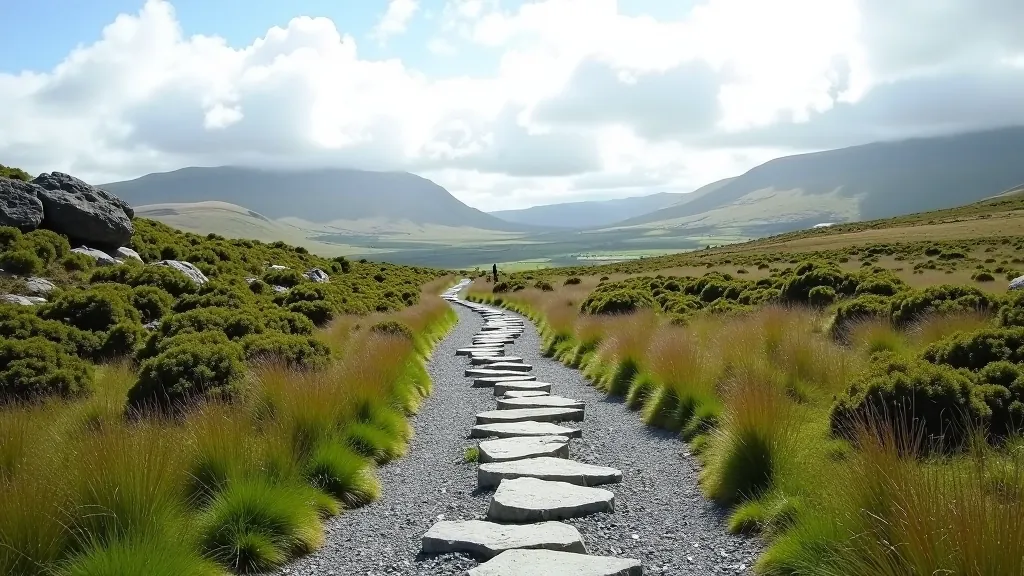
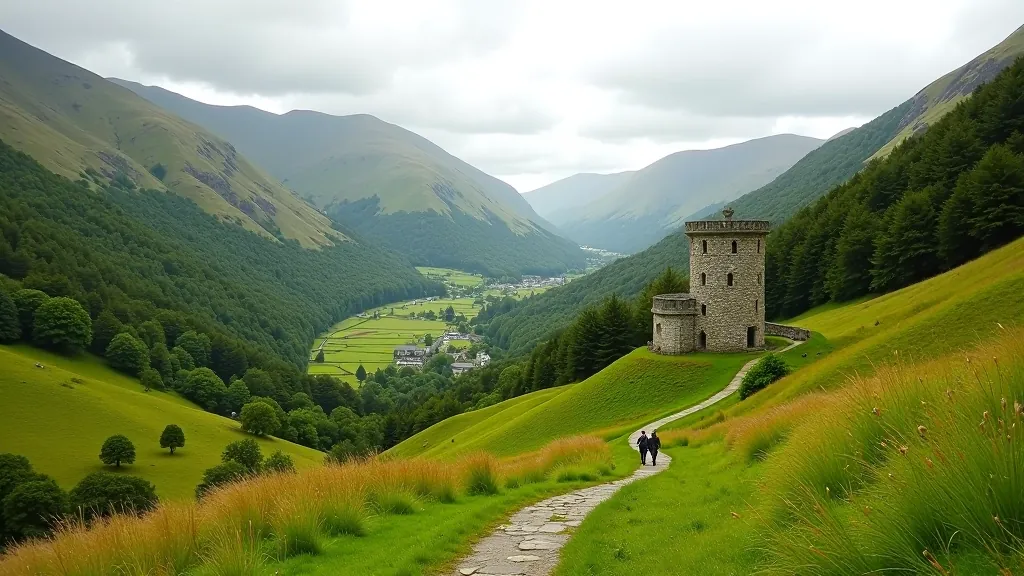
The best hike isn't the longest one or the most challenging. It's the one you actually finish feeling good. It's the one where you see something beautiful, sit down and rest without guilt, and come home thinking "I could do that again."
Plan your route carefully. Wear proper shoes. Take breaks. Bring water and snacks. Go at your own pace. These aren't optional extras — they're the foundation of enjoying walking outdoors for years to come.
Ireland's trails are waiting. And they're not going anywhere.